
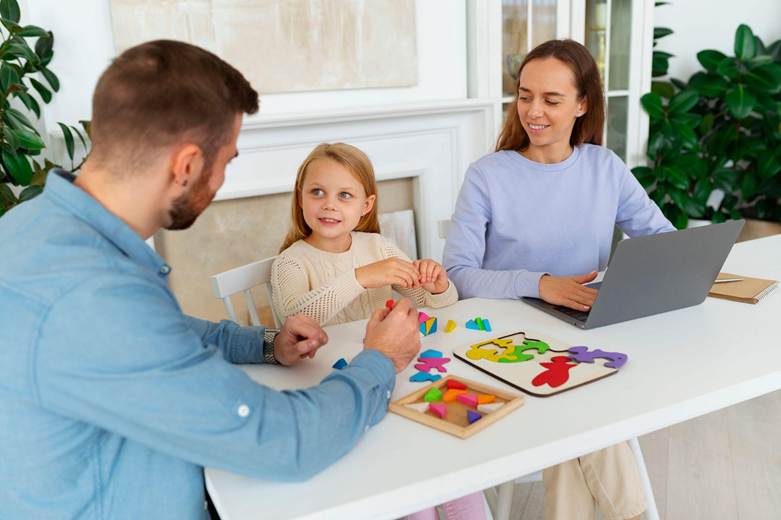
Educational success is not measured only by grades or academic milestones. Reviews of Alpine Academy examine how family-centered therapeutic education creates an environment where academic learning, emotional development, and life skills work together to support student confidence, resilience, and long-term independence. For many students, meaningful progress comes from developing the tools needed to navigate challenges while building a foundation for future growth.
Every student’s journey is different. Some may need additional structure, individualized instruction, or therapeutic guidance to reach their full potential. A comprehensive educational setting recognizes these differences and creates pathways that address the whole student rather than focusing only on academic performance.
This approach reflects a broader understanding of education: students are more likely to succeed when they have access to supportive relationships, consistent expectations, and resources that address both educational and personal needs.
Moving Beyond Traditional Educational Approaches
Traditional school environments often focus primarily on classroom instruction, testing, and academic outcomes. While these elements remain important, many students benefit from additional support that addresses emotional and social development.
A holistic educational approach considers:
- Academic progress and learning goals
- Emotional regulation and coping strategies
- Social relationships and communication skills
- Personal responsibility and independence
- Preparation for future transitions
By addressing multiple areas of development, students can build skills that extend beyond the classroom and into everyday life.
Creating a Family-Like Residential Environment
The residential experience plays an important role in helping students develop practical life skills. A structured home environment allows students to practice responsibility, communication, and decision-making in situations that resemble real-world experiences.
The Teaching Family Model provides a framework built around consistency and relationship-based support. This evidence-based approach emphasizes stable connections between students and residential staff who live within the community rather than relying solely on rotating shift-based care.
This structure helps create:
- Predictable daily routines
- Stronger student-staff relationships
- Opportunities for real-time guidance
- A sense of belonging and accountability
A family-centered environment allows students to experience support while learning how to manage responsibilities independently.
Developing Skills Through Everyday Experiences
Personal growth often happens through ordinary moments. Completing responsibilities, resolving disagreements, participating in group activities, and managing daily routines all create opportunities for learning.
A residential educational setting can help students strengthen:
- Problem-solving abilities
- Leadership skills
- Time management
- Self-confidence
- Healthy communication habits
These experiences help students understand how their choices affect themselves and those around them.
The goal is not simply to provide structure but to help students gradually develop the ability to make positive decisions independently.
Personalized Academic Support for Individual Needs
Students learn in different ways and may require different levels of academic support. Personalized education allows teachers to understand each student’s strengths while identifying areas for improvement.
An individualized academic approach may include:
- Customized learning plans
- Core academic subjects and elective courses
- Honors-level opportunities when appropriate
- Special education services
- Graduation planning support
Dedicated academic guidance helps students remain focused on their educational goals while receiving the assistance necessary to progress.
Connecting Therapy With Educational Growth
Therapy is most effective when it connects with a student’s daily experiences. Integrating therapeutic support into an educational environment allows students to apply new skills in real situations.
Therapeutic services may focus on:
- Individual development
- Family relationships
- Peer interactions
- Emotional awareness
- Personal growth strategies
When students learn coping techniques and communication skills alongside academic lessons, they are better prepared to handle challenges both during their education and afterward.
The Importance of Family Involvement
Family participation can play an important role in creating lasting progress. When families are included in the process, students receive greater consistency between their educational environment and their support system at home.
Family-centered collaboration can involve:
- Regular therapeutic communication
- Progress discussions
- Goal setting
- Transition planning
This partnership helps families better understand the student’s growth while creating a stronger foundation for continued success.
Preparing Students for Life After Graduation
A successful educational program prepares students for the future, not just the present. Older students often benefit from opportunities that encourage greater independence and responsibility before transitioning into their next stage of life.
Programs designed for future readiness can help students develop:
- Independent decision-making skills
- Academic planning abilities
- Confidence in new environments
- Responsibility for personal goals
Transition-focused programs provide students with opportunities to practice independence while still having access to appropriate guidance and support.
The Value of Experiential Learning Opportunities
Learning does not happen only through textbooks and lectures. Hands-on experiences can help students develop confidence, teamwork, and problem-solving abilities.
Experiential opportunities may include:
- Physical activities
- Outdoor experiences
- Recreational programs
- Equine therapy
- Group-based learning activities
These experiences encourage students to apply skills in different settings while discovering personal strengths.
Activities outside traditional academics can become powerful tools for building motivation and self-awareness.
A Supportive Environment for Diverse Student Needs
A successful therapeutic educational environment must recognize and respect the individuality of every student. Creating a culture of acceptance helps students feel valued while focusing on personal growth.
Supportive environments prioritize:
- Respectful communication
- Individual identity
- Personal development
- Positive relationships
- Emotional safety
When students feel understood and supported, they are more likely to engage in learning and participate actively in their own growth.
Continuing Support After Completion
Growth does not stop when a student graduates from a program. Continued resources can help students maintain progress as they move into new environments.
Aftercare support can assist graduates with:
- Adjusting to new responsibilities
- Maintaining healthy routines
- Continuing personal development
- Navigating future challenges
Long-term support reinforces the idea that successful transitions require both preparation and ongoing encouragement.
Conclusion
A family-centered therapeutic education approach recognizes that students need more than academic instruction to achieve long-term success. They need supportive relationships, personalized learning, emotional guidance, and opportunities to practice independence.
By combining education, therapy, structured residential living, and family involvement, comprehensive programs create environments where students can develop the skills necessary for future growth. When students are supported as individuals, they gain the confidence and resilience needed to move forward with greater independence and purpose.
